
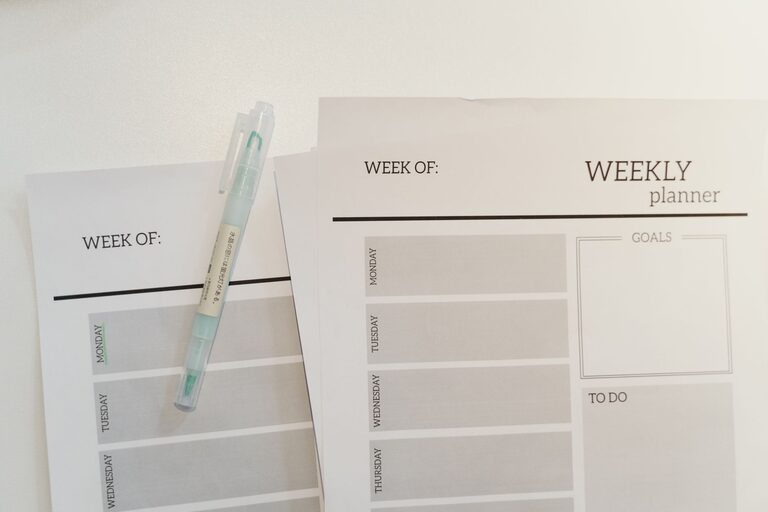
How to Set Realistic Weekly Goals for Better Productivity
Setting weekly goals is a powerful way to stay focused, track progress, and make steady gains toward your bigger objectives. However, setting unrealistic goals can lead to frustration and burnout. The key is to set realistic weekly goals that challenge you while remaining achievable. This guide will walk you through practical steps and tips to help you create weekly goals that work.
Why Set Weekly Goals?
Weekly goals provide a clear roadmap for what you want to accomplish within a manageable timeframe. Unlike daily goals, which can feel too small, or yearly goals, which feel too distant, weekly goals strike a good balance. They help you:
– Stay organized and on track
– Measure progress regularly
– Adjust quickly if plans change
– Maintain motivation by achieving small wins
Step 1: Reflect on Your Bigger Objectives
Before setting your weekly goals, take a moment to review your long-term goals. Ask yourself:
– What are the key milestones I want to hit this month or quarter?
– Which projects or tasks support these milestones?
– What deadlines are coming up?
Having this context makes it easier to break down larger goals into manageable weekly chunks.
Step 2: Prioritize Your Tasks
Not everything can or should be done in one week. Identify what’s most important by using methods like:
– The Eisenhower Matrix: Categorize tasks by urgency and importance.
– ABC Method: Label tasks as A (must do), B (should do), and C (nice to do).
– Pareto Principle: Focus on the 20% of activities that yield 80% of results.
By prioritizing, you avoid overloading your week with less meaningful work.
Step 3: Make Your Goals Specific and Measurable
Vague goals like “work out more” or “read more books” are hard to track. Instead, make them specific and measurable:
– “Exercise for 30 minutes, 4 times this week”
– “Read two chapters of a book every day”
Clear criteria help you know exactly what success looks like.
Step 4: Be Realistic About Your Time and Energy
Consider your schedule and energy levels when setting goals. Avoid packing your week with too many tasks. Think about:
– Work hours and commitments
– Family and social activities
– Rest and self-care time
If you already have busy days, don’t expect yourself to take on extra work without accounting for your limits.
Step 5: Break Big Goals Into Smaller Steps
If a goal feels overwhelming, break it down into smaller, manageable tasks. For example, instead of “launch website,” try:
– Research website platforms on Monday
– Draft website content on Tuesday and Wednesday
– Design homepage on Thursday
– Review and test on Friday
This approach builds momentum and makes progress easier to measure.
Step 6: Write Down Your Goals
Writing your goals helps cement them in your mind and increases accountability. You can use:
– A planner or calendar
– A digital to-do list app
– Sticky notes or a whiteboard
Review your written goals daily so they stay top of mind.
Step 7: Plan for Flexibility
Life can be unpredictable, so allow some flexibility in your weekly plan. Leave buffer time for unexpected tasks or rest. If you miss a goal, reassess and adjust without being too hard on yourself.
Step 8: Track and Review Your Progress
At the end of the week:
– Review what you accomplished
– Celebrate successes, no matter how small
– Identify what didn’t get done and why
– Use these insights to improve your next week’s goals
Reflection helps create a positive feedback loop that promotes growth.
Example of a Realistic Weekly Goal Plan
| Goal | Tasks | Notes |
|————————–|———————————|—————————|
| Improve fitness | Exercise 30 min, Mon/Wed/Fri | Schedule workouts early AM |
| Advance work project | Complete report draft by Wed | Focus time blocked on Tues |
| Personal development | Read 3 chapters of a book | Read before bed daily |
| Household chores | Clean kitchen and laundry on Sat | Combine with listening to podcast |
Tips to Stay Motivated
– Celebrate small wins to boost morale
– Share your goals with a friend for accountability
– Use positive language and focus on progress, not perfection
– Adjust goals as needed based on your experience
—
Setting realistic weekly goals is a simple yet effective habit that helps you stay organized, motivated, and productive. By breaking down big dreams into achievable steps, you’ll find it easier to make consistent progress without feeling overwhelmed. Start small, be kind to yourself, and watch your weekly goals transform your productivity!
